Common Mistakes to Avoid When Buying Aftermarket Wheels and Rims
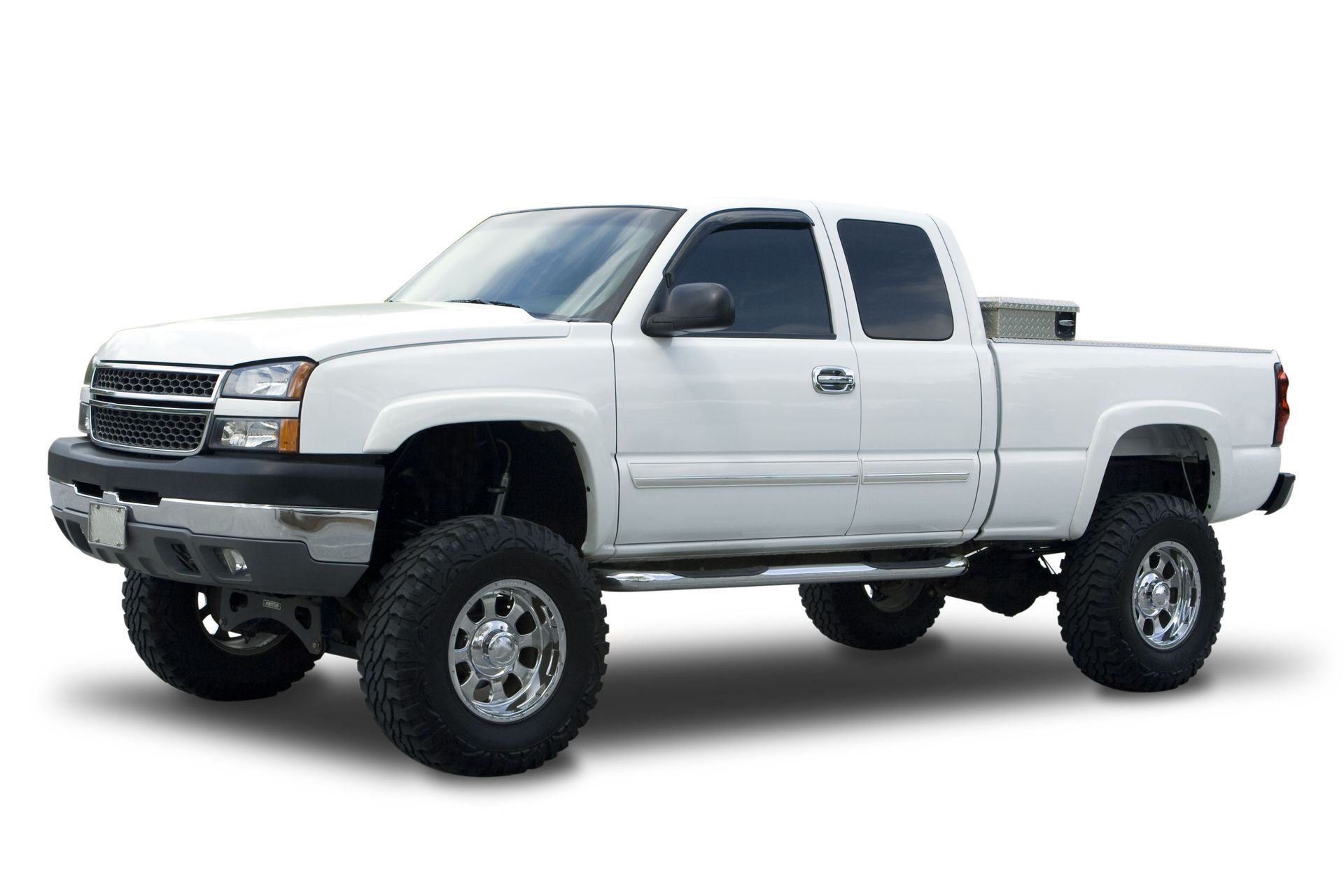
Upgrading a vehicle’s wheels is one of the most effective ways to improve both style and performance. Many drivers consider wheel customization to refresh the look of their vehicle or enhance handling, but the process involves more than choosing an attractive design. Without a clear understanding of specifications, performance considerations, and compatibility, buyers may unintentionally select products that create long-term issues. Recognizing common mistakes ahead of time allows consumers to approach the buying experience with greater confidence and ensures that their investment in aftermarket wheels and rims results in a safe and satisfying upgrade.
Check All Fitment Requirements
A frequent error is failing to evaluate essential fitment details such as bolt pattern, offset, diameter, and hub size. These measurements determine whether the wheel will sit correctly within the wheel well and maintain proper clearance. When buyers rely solely on appearance or general sizing, they risk issues such as rubbing, poor handling, or uneven tire wear. Careful research and measurement checks provide necessary reassurance before moving forward with installation.
Look Into Quality Standards
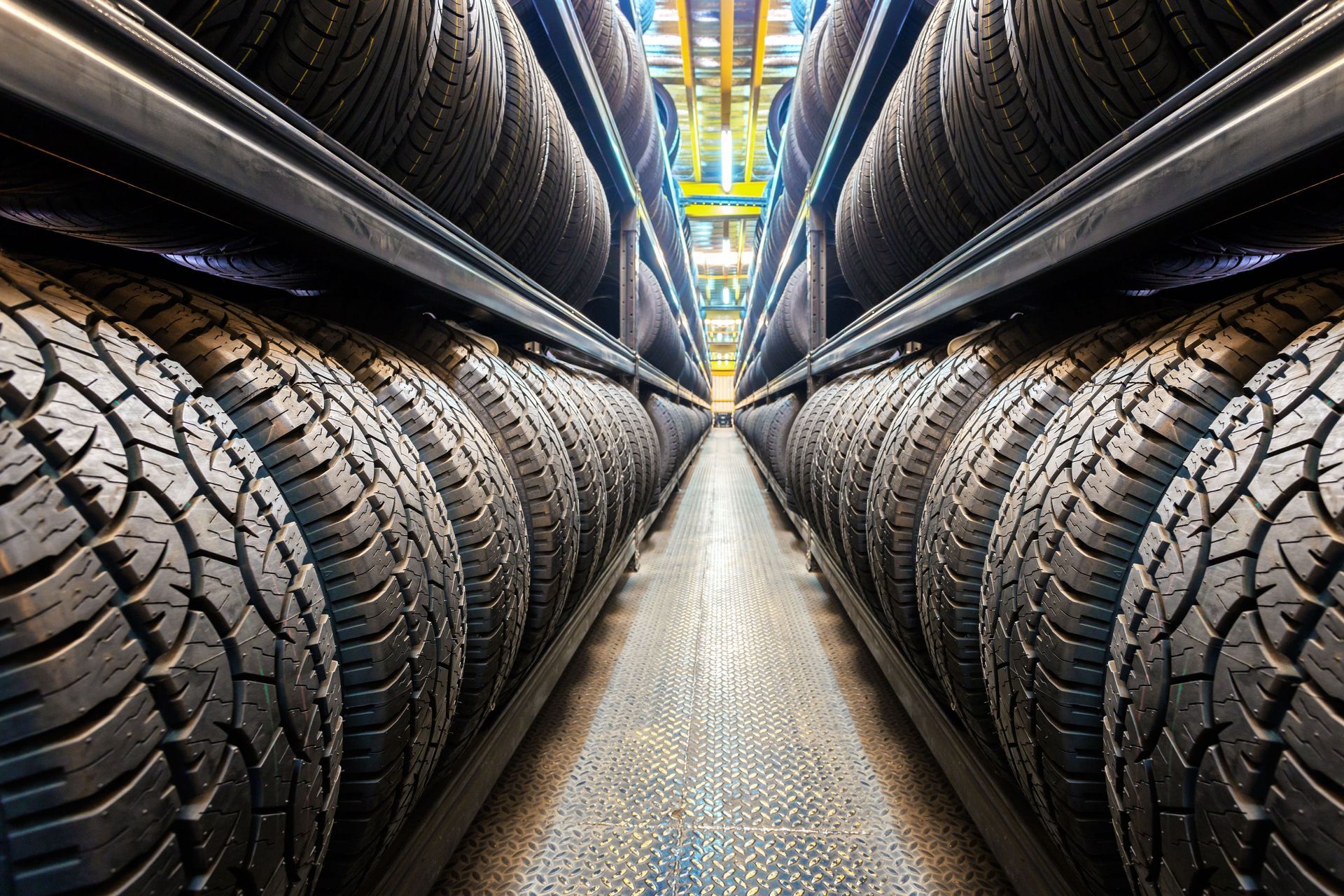
Price often influences buying decisions, but selecting wheels based only on cost can lead to problems with durability and longevity. A wheel’s construction, tested load rating, and material quality contribute significantly to performance and safety. A helpful point of reference is industry data: According to Fortune Business Insights, wheels and tires held the largest market share of the automotive aftermarket industry, accounting for 39.5% of all replacement part market segments. This highlights the importance of choosing reliable manufacturers when purchasing aftermarket wheels and rims.
Consider Vehicle Performance Impact
Some buyers focus exclusively on aesthetics and overlook how wheel weight, width, and material affect acceleration, braking, fuel efficiency, and suspension responsiveness. For example, heavier wheels may reduce acceleration, while overly wide options can strain mechanical components or alter steering feel. Carefully evaluating these performance implications ensures that the upgrade enhances the driving experience rather than unintentionally compromising it, helping drivers maintain both safety and long-term vehicle reliability.
Seek Professional Guidance
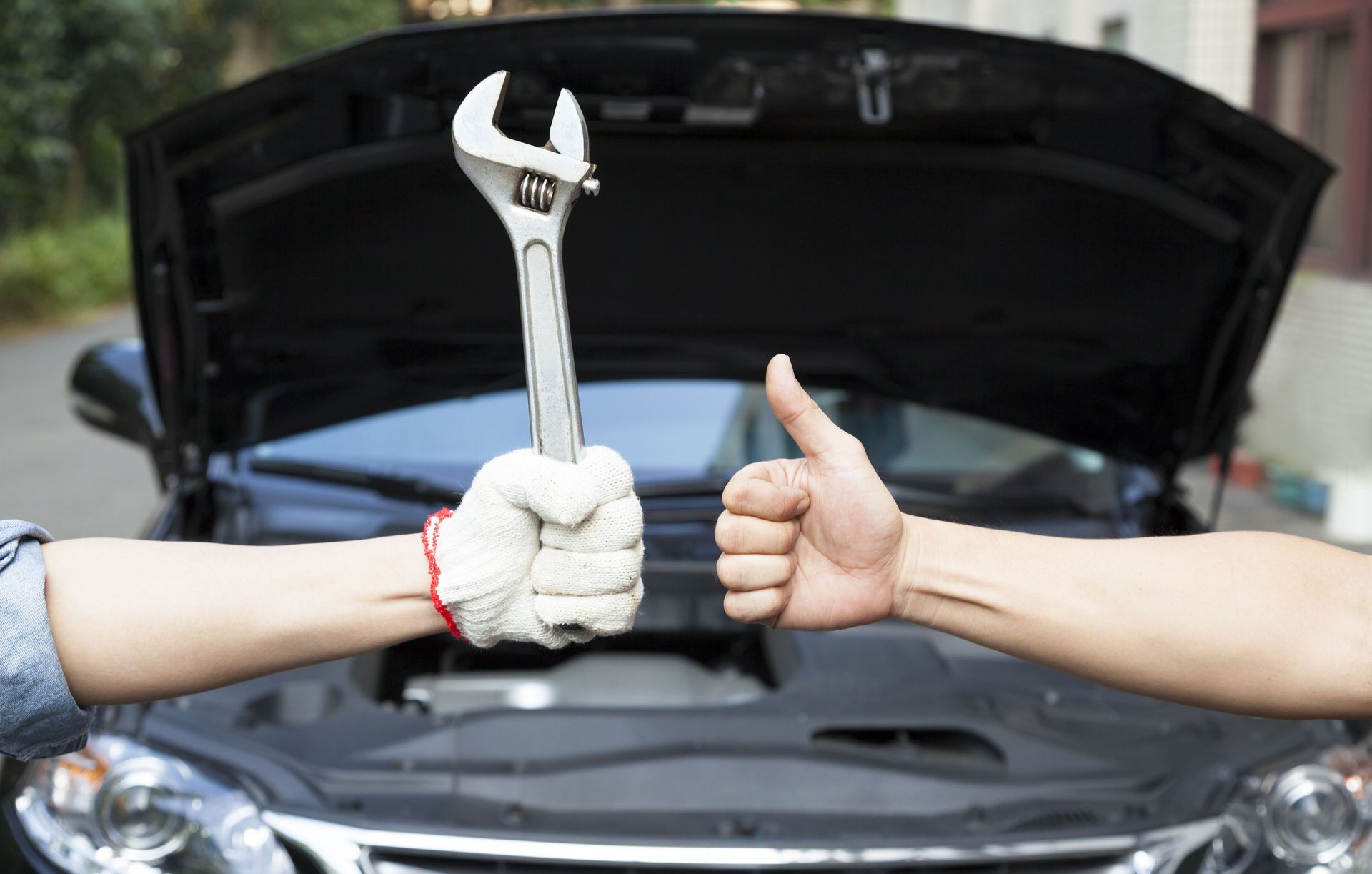
Attempting to make the purchase alone without expert input is another common mistake. Professionals can help verify compatibility, recommend proper load ratings, and identify potential issues before installation. Consulting qualified technicians provides buyers with assurance and helps prevent costly errors during customization. Call Auto Accents today to discuss upgrading your vehicle's wheels.














Share On: